
ILSA COUNCIL MEMBERS
2025-2026
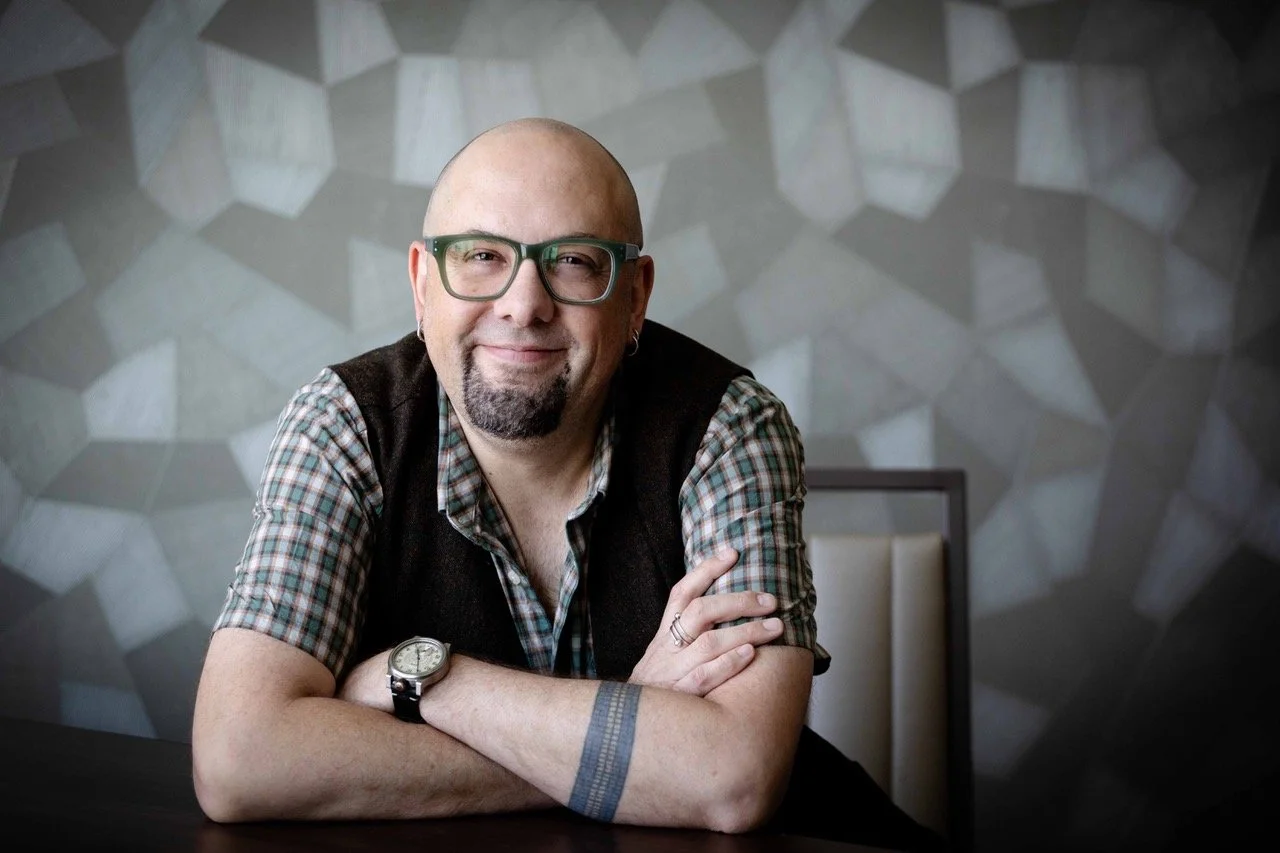
Daniel Heath Justice, President (he/him)
Raised in the Gold Rush mining town of Victor, Colorado, Daniel Heath Justice is an enrolled citizen of the Cherokee Nation. He is a Spears, Foreman, and Riley citizen descendant, with deep family roots in the Nation's historical Cooweescoowee District (today’s districts 12 and 14 in Washington and Rogers counties in northeast Oklahoma). Widely published in Indigenous literary and cultural studies, Daniel is a Full Professor in the Institute for Critical Indigenous Studies and Department of English Language and Literatures at the University of British Columbia, on unceded Musqueam territory. His most recent book is the expanded and updated twentieth-anniversary edition of Our Fire Survives the Storm: A Cherokee Literary History, Citizenship and Sovereignty Edition (U of Minnesota Press, 2026). Current work includes a literary biography of Cherokee historian and genealogist Emmet Starr (co-authored with Jacquelyn Sparks), a cultural history of the “Cherokee Princess” phenomenon, and a young adult fantasy novel

Marie-Ève Bradette, President-Elect (elle)
Marie-Eve Bradette est professeure adjointe au département de littérature, théâtre et cinéma de l’Université Laval et titulaire de la Chaire de leadership en enseignement des littératures autochtones au Québec - Maurice-Lemire depuis juin 2022. Ses recherches actuelles abordent l'hétérolinguisme des littératures des Premiers Peuples au Québec comme modalité d’une histoire littéraire plurielle. Elle s'intéresse aussi à la représentation des femmes et des filles autochtones, aux violences genrées et la (re)signification des savoirs féminins, notamment dans la littérature des pensionnats. Ses travaux ont été publiés, entre autres, dans les revues Les Cahiers du CIÉRA, @nalyses, Captures et Voix plurielles. En 2025, elle a reçu le prix Herb Wyile pour son article "Le conflit des souverainetés linguistiques au Québec: perspectives critiques et littéraires autochtones" paru dans Studies in Canadian Literature/Études en littérature canadienne. Elle est l'autrice d'une chronique annuelle en études autochtones pour la revue Voix et images. Son ouvrage Langue(s) en portage: résurgence littéraire et langagière dans les littératures autochtones féminines est paru en 2024 aux Presses de l'Université de Montréal et a remporté le prix du meilleur livre 2025 de l'Association des professeur·es d'universités et de collèges canadiens (APFUCC). Elle a enfin co-dirigé l'ouvrage collectif Urbanités autochtones en création (avec Julie Graff, Gabrielle Marcoux et Alexia Pinto Ferretti) paru en 2025 aux Presses de l'Université de Montréal.

Aubrey Hanson, Past President (she/her)
Aubrey Hanson is descended from Red River Métis, German, Icelandic, French, and Scottish peoples and is a member of the Métis Nation of Alberta. She is an Associate Professor in Curriculum and Learning at the Werklund School of Education, where she currently serves as the Director of Indigenous Education. Aubrey’s scholarly work spans Indigenous literary studies, curriculum studies, and Indigenous education, dwelling in how Indigenous literary arts can precipitate relationships between non-Indigenous learners and Indigenous resurgence. Aubrey is the author of Literatures, Communities, and Learning: Conversations with Indigenous Writers (WLUP, 2020) and has served in leadership/service roles for the Alberta Métis Education Council, the Indigenous Literary Studies Association, and the Canadian Association for the Study of Indigenous Education.
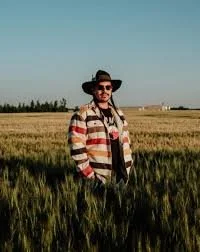
Joshua Whitehead, Early Career Representative (he/him)
Joshua Whitehead (he/him) is a Two-Spirit and Oji-Cree member of Peguis First Nation (Treaty 1). He is the author of full-metal indigiqueer, Jonny Appleseed, Making Love with the Land, and Indigiqueerness: a Conversation About Storyteling as well as the author of Love after the End: an Anthology of Two-Spirit and Indigiqueer Speculative Fiction. Whitehead is an Assistant Professor at the University of Calgary where he is a Research Excellence Chair in the departments of English and International Indigenous Studies.
Headshot Photocredit to Tenille Campbell/Sweetmoon Photography

Krista Collier-Jarvis wearing a medallion made by local artist Crystin Edwards and gifted to Krista by Dr. Margaret Robinson on the day of her PhD defence. (Nick Pearce photos)
Krista Collier-Jarvis, Early Career Representative (nekm/she/her)
Dr. Krista Collier-Jarvis (Mi’kmaw) is an Assistant Professor in the Department of English at Mount Saint Vincent University. Her doctoral research focused on an Indigenous-informed approach to the climate-contagion entanglement. She teaches American and Indigenous literatures and cultures, cli-fi, and film. Collier-Jarvis is a third-generation survivor of the Shubenacadie Residential School—a topic she takes up in her unpublished “A Micmac Memoir,” which was longlisted for the 2023 CBC Non-Fiction prize. Her academic work has been published in Global Indigenous Horror, Humanities, Canadian Jewish Studies, Scaffold, The Palgrave Handbook of the Zombie, and American Gothic Studies. She is the co-lead of the Two-Eyed Seeing program, and she also hosts “Centring Indigenous Voices,” which invites Indigenous authors to share their work and lived experiences.
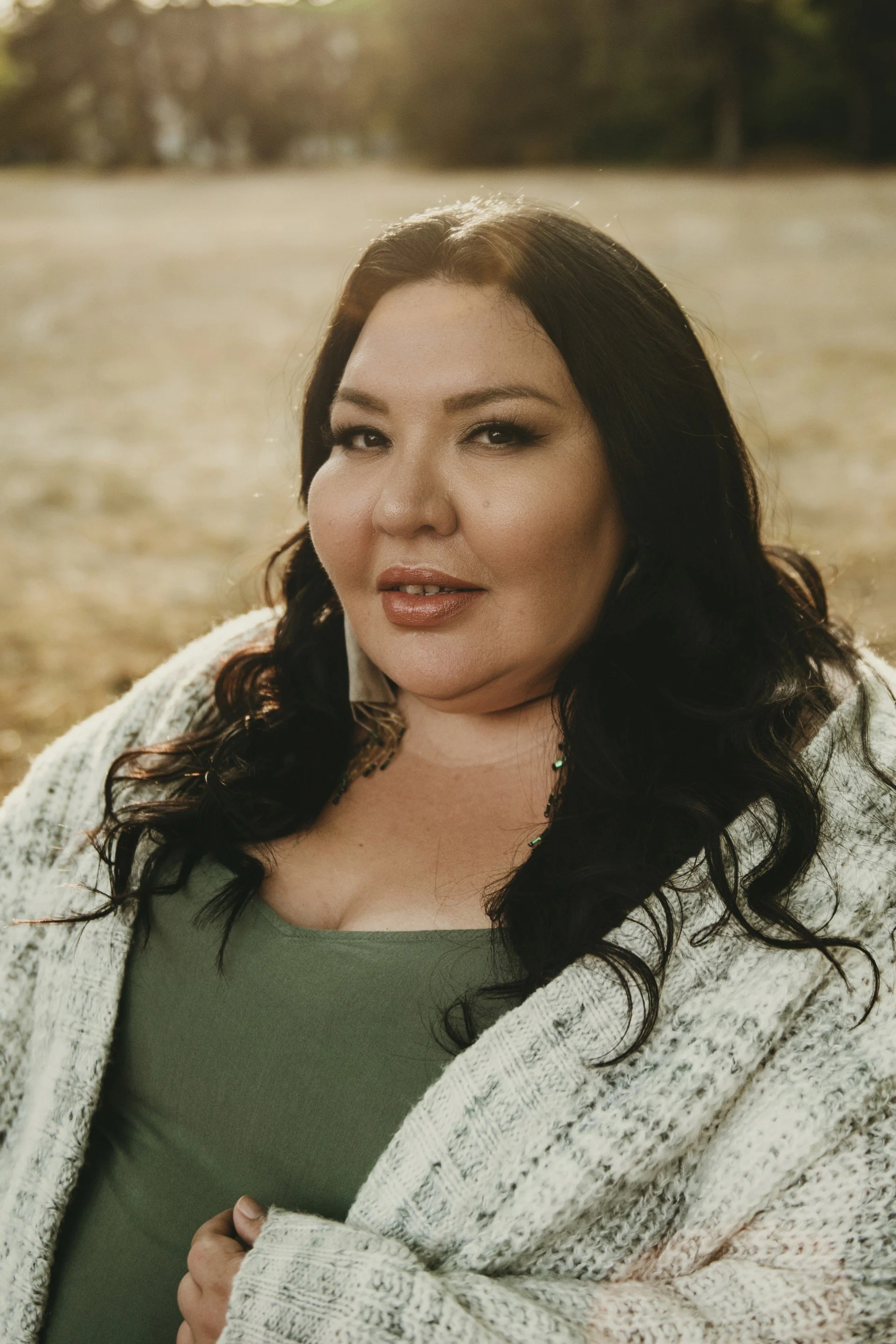
Tenille Campbell, Outreach Coordinator (she/her)
Tenille K Campbell is a Dene and Métis author from English River First Nation and a PhD in Indigenous Literature. The award-winning voice behind Nedí Nezu and #IndianLovePoems, she specializes in blending humor, intimacy, and storytelling to explore Indigenous womanhood. Beyond the page, Tenille is a multidisciplinary artist focused on photography, beadwork, and community-based digital storytelling. She brings a wealth of expertise in navigating the intersections of land, love, and the creative process.
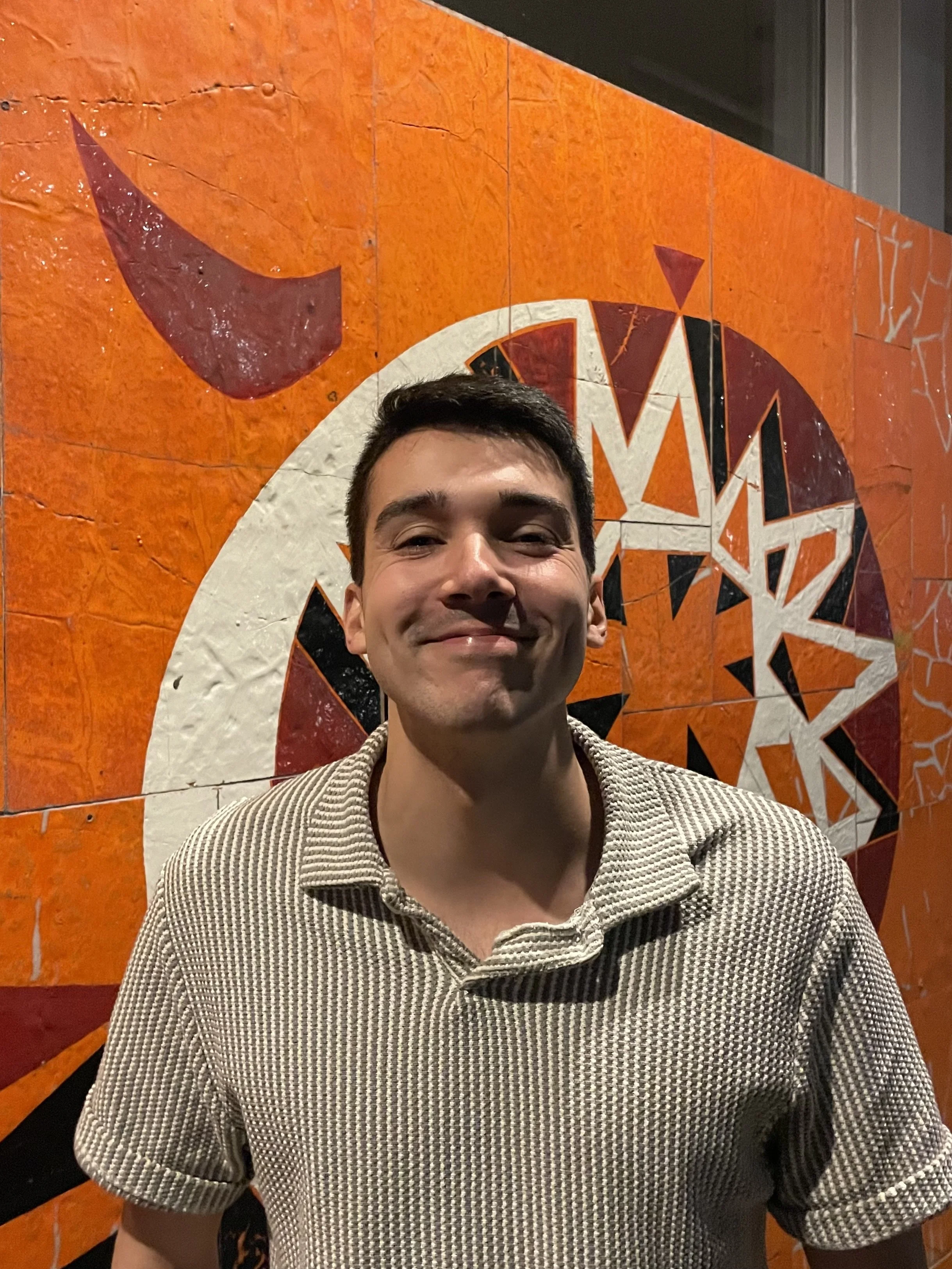
Alec Mahoney Graduate Student Representative (he/him)
"I am a master’s student in Literary Studies at Université Laval. My father is Mexican. My mother is an Ilnu from Mashteuiatsh. My thesis brings together research and fiction in the form of a novel.
The story follows a young man who wants to be a writer. After a conversation with a professor who takes an interest in his work, he begins to think about his Innu ancestry and travels north to Mashteuiatsh, a place that is supposed to be home, though he does not remember it.
The research turns to recent Indigenous francophone writing in Québec and to the idea of return. I look at what happens when a character goes back to a place or a community, and how that return shapes identity, belonging, and the sense of home."
Ryan Stearne, Treasurer
Ryan Stearne (he/him) is a settler scholar and PhD student at the University of Calgary with a concentration in creative writing. His work has appeared in chapbooks published by above/ground press and The Blasted Tree, as well as the anthology Output: An Anthology of Computer Generated Text co-published by MIT Press and Counterpath. Ryan is also a Chartered Professional Accountant.
Isabelle St-Amand, Francophone Representative (she/her)
Bio coming soon.
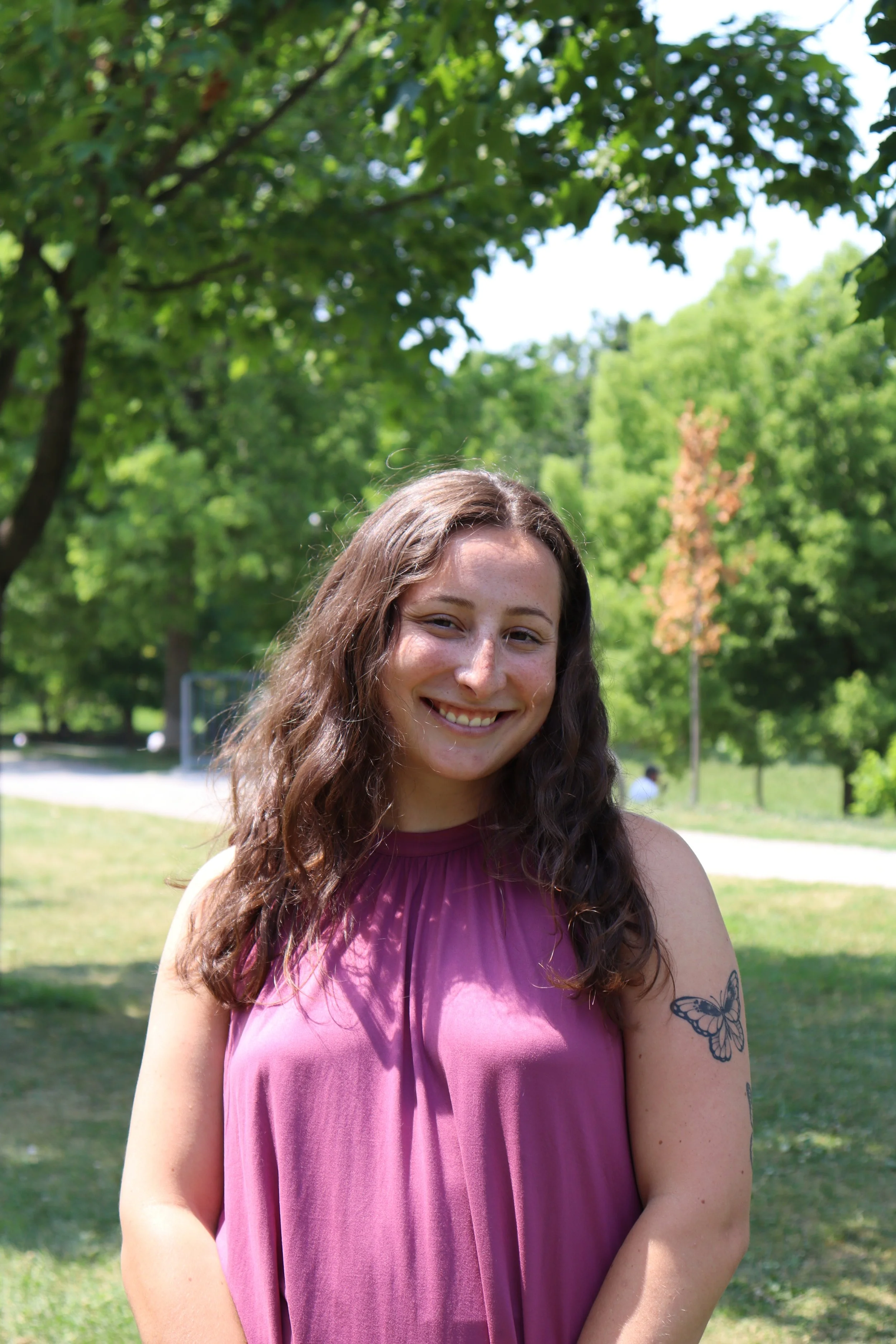
Jasmine Rice, Communications Coordinator (She/her)
Jasmine Rice (she/her) is a PhD student at the Ontario Institute for Studies in Education (OISE) studying Language and Literacies Education. Her research focuses on language ideology in Indigenous language reclamation, inspired by her own language learning experiences of Kanien’kéha, the language of her paternal family’s community, Kahnawà:ke Mohawk Territory. Jasmine is an avid reader and enjoys engaging with the pedagogical offerings in Indigenous literatures in her work with the Indigenous Literary Studies Association and Dr. Jennifer Brant’s Indigenous Literatures Lab. Jasmine is also a passionate educator, teaching at the secondary level, as well as in OISE’s Masters of Teaching program.
